
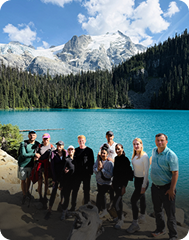
Packing for a mountain trip is different from packing for a typical city getaway. In places like the Canadian Rockies, the weather can shift quickly, distances are long, and comfort plays a much bigger role in how much you enjoy the experience. The goal is not to pack more, but to pack smarter—so you’re prepared for changing conditions without carrying unnecessary weight.
A well-packed bag helps you stay comfortable, flexible, and focused on the experience itself rather than what you might be missing.
Start with Layers, Not Heavy Pieces
Mountain weather is unpredictable, even in summer. Sunny mornings can turn into cool, windy afternoons, and temperatures often drop quickly in the evenings.
Instead of relying on one heavy jacket, layering is key:
A light base layer for comfort and breathability
A warm mid-layer like a fleece or sweater
A waterproof or windproof outer layer
This combination allows you to adjust throughout the day without feeling over- or underdressed.
Choose Practical, Comfortable Footwear
Most of your time in the Rockies will involve walking—whether it’s short viewpoints, lakeside paths, or light hikes. Comfortable, supportive footwear is essential.
Sturdy sneakers or hiking shoes are usually enough for most popular routes, as many trails are well-maintained. The priority is grip, comfort, and weather resistance rather than heavy technical gear (unless you plan more advanced hikes).
Pack for Changing Weather Conditions
Even in peak summer, mountain conditions can change quickly. It’s useful to be prepared for sun, wind, and sudden temperature drops in the same day.
Helpful essentials include:
A compact rain jacket
Sunglasses and sunscreen (the sun is strong at higher altitude)
A warm hat or beanie for colder moments
A reusable water bottle to stay hydrated in dry air
These small items often make a big difference in overall comfort.
Keep Your Day Bag Simple and Functional
For daily exploring, a small backpack is enough. It should carry only what you actually need for the day—extra layers, water, snacks, and a camera or phone.
Keeping it light makes movement easier and allows you to fully enjoy stops without feeling weighed down.
Think in Terms of Flexibility, Not Quantity
One of the most important aspects of packing for the mountains is adaptability. You don’t need a large wardrobe—you need pieces that can work in different conditions and combinations.
Neutral, mix-and-match clothing tends to work best, especially for multi-day trips where comfort and practicality matter more than variety.
The Real Goal: Travel Light, Experience More
A mountain trip is best experienced when nothing is getting in the way—no discomfort from being unprepared and no stress from overpacking.
When packing is done with intention, it becomes invisible in the background, allowing the focus to stay where it belongs: on the landscapes, the air, and the experience of being in the mountains.